

Your 30s are a financial turning point.
You’re likely earning more than you did in your 20s. You may be married, raising kids, supporting parents, paying EMIs, or planning to buy a home. This decade can either build serious long-term wealth—or quietly create financial stress that follows you into your 40s and 50s.
If you’re in your 30s (especially in India, where family responsibilities and financial pressure often peak during this phase), this guide will help you fix the biggest money mistakes right now.
Let’s dive in.
Why Your 30s Matter More Than You Think
Financially, your 30s are powerful because of:
- Higher earning potential
- Time still on your side for compounding
- Major life decisions (home, marriage, children)
- Growing responsibilities (parents + kids)
A few smart decisions now can mean:
- Crores at retirement
- Debt-free 40s
- Financial security for your family
But the wrong decisions? They can delay financial freedom by a decade or more.
1. Not Having a Clear Financial Plan

Many people in their 30s are earning well—but operating without a roadmap.
The Mistake
- No written goals
- No retirement target
- Random investments
- No clarity about where money goes
The Fix
Create a structured financial plan with:
Short-Term Goals (1–3 years)
- Emergency fund
- Vacation
- Car purchase
Medium-Term Goals (3–7 years)
- House down payment
- Child’s early education
Long-Term Goals (15–30 years)
- Retirement
- Child’s higher education
- Wealth creation
Use a simple rule:
Income – Investments = Expenses (NOT the other way around)
Automate investments first. Spend what’s left.
2. Ignoring Emergency Fund

This is one of the biggest financial mistakes in your 30s.
Why It’s Dangerous
- Job loss
- Medical emergency
- Business slowdown
- Unexpected expenses
Without an emergency fund, you’ll:
- Swipe credit cards
- Break investments
- Take personal loans
The Fix
Build:
- 6 months of expenses (if salaried)
- 9–12 months (if self-employed)
Keep it in:
- High-interest savings account
- Liquid mutual funds
- Short-term fixed deposits
Do NOT invest emergency money in equity.
3. Delaying Retirement Planning

“I’ll start in my 40s.”
This is financially dangerous.
The Power of Compounding
If you invest ₹15,000 per month from age 30 at 12% returns:
By 60 → You may build over ₹5+ crores.
If you start at 40:
You may need ₹40,000+ per month to reach the same target.
Ten years matter.
Best Tools for Retirement Planning in India
- Employees’ Provident Fund Organisation (EPF)
- National Pension System (NPS)
- Equity mutual funds (SIP route)
- PPF
Create a retirement corpus target based on:
- Expected monthly expenses
- Inflation (6–7%)
- Retirement age (60 or earlier)
4. Being Underinsured

Many people in their 30s:
- Have no term insurance
- Depend only on company health insurance
This is risky.
Term Insurance
If someone depends on your income, you need:
Coverage = 15–20 times annual income
Choose:
- Pure term plan
- Long tenure (up to 60 or 65)
- No investment-linked policies
Health Insurance
Even if your employer provides coverage:
Buy a separate family floater policy.
Medical inflation in India is 10–15% annually.
5. Living Lifestyle Inflation

Your salary increases → Your lifestyle increases faster.
New phone. Bigger house. More EMIs. More dining out.
Suddenly, despite earning ₹1 lakh per month, you save ₹5,000.
The Fix
Follow the 50-30-20 Rule (customized):
- 50% Needs
- 30% Wants
- 20% Investments (minimum)
Better target in your 30s:
30–40% savings rate
Every salary hike?
Increase SIPs, not expenses.
6. Too Much Bad Debt

In your 30s, EMIs multiply:
- Personal loan
- Credit card debt
- Car loan
- Consumer durable loan
Good Debt vs Bad Debt
Good Debt:
- Home loan (asset-building)
Bad Debt:
- Credit card interest (36–42%)
- Personal loans
- Buy-now-pay-later
Prioritize paying off:
High-interest loans first.
Use:
- Debt snowball method
- Debt avalanche method
7. Not Investing Properly (Only Saving)
Many people confuse saving with investing.
Savings:
- FD
- Savings account
- Gold jewelry
Investing:
- Equity mutual funds
- Index funds
- Stocks
- NPS
- PPF
In your 30s, your risk tolerance can still support equity exposure.
Suggested Allocation (General Guideline):
- 60–70% equity
- 20–30% debt
- 5–10% gold
(Adjust based on risk profile.)
8. Ignoring Tax Planning

Tax saved = money earned.
Smart tax planning includes:
- ELSS mutual funds
- PPF
- NPS contributions
- Home loan interest deduction
- Health insurance premium deduction
Don’t wait until March to plan taxes.
Plan from April.
9. No Estate Planning

Estate planning is not only for the rich.
If you have:
- Property
- Investments
- Dependents
You need:
✔ Nominee updates
✔ A simple Will
✔ Updated KYC
Without a will:
Legal complications for family.
10. Not Tracking Net Worth
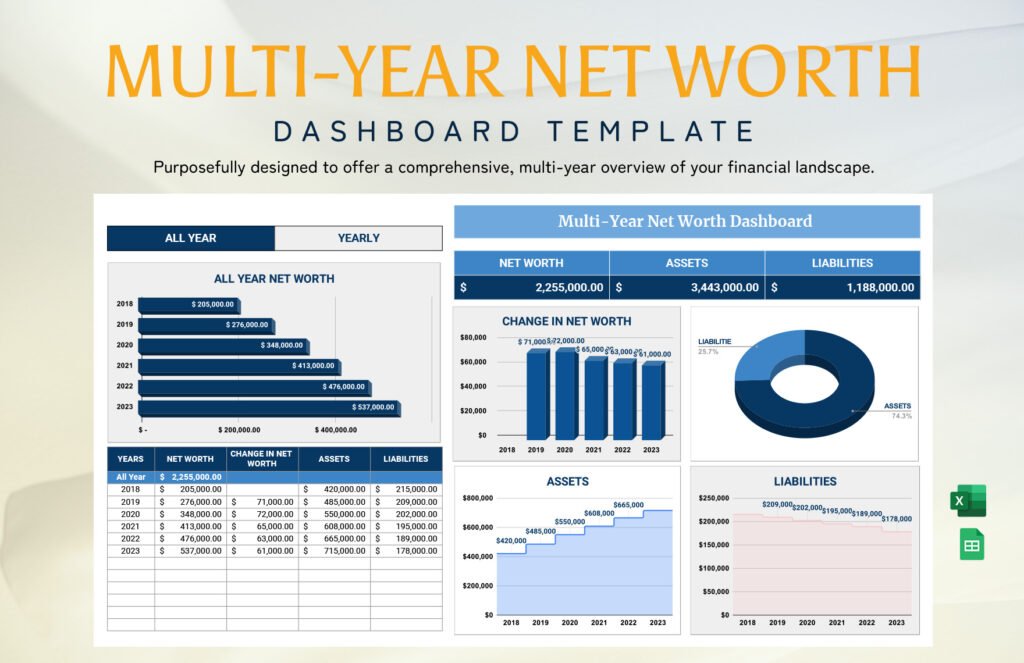
Your salary doesn’t define your wealth.
Net Worth = Assets – Liabilities
Track yearly:
- Investments
- EPF balance
- Property value
- Outstanding loans
This gives financial clarity.
11. Ignoring Children’s Future Planning

If you have children in your 30s:
Education inflation in India is 8–12%.
Start early with:
- SIP in equity mutual funds
- Long-term horizon (15+ years)
Avoid traditional child insurance plans with low returns.
12. No Skill Investment

Your income is your biggest asset.
Invest in:
- Certifications
- Upskilling
- Side business
- Digital skills
Higher income = Faster wealth building.
13. Comparing Yourself with Others

Social media creates pressure:
- Bigger car
- Luxury vacations
- Bigger house
Your goals > Society’s expectations.
A Simple Financial Blueprint for Your 30s
Here’s a practical roadmap:
Step 1: Build Emergency Fund
Step 2: Buy Term + Health Insurance
Step 3: Clear High-Interest Debt
Step 4: Start Retirement SIP
Step 5: Plan for Child Education
Step 6: Invest Salary Hikes
Step 7: Track Net Worth Yearly
Real-Life Scenario (Indian Context)
If you’re 32 years old earning ₹80,000 per month:
Ideal structure:
- ₹20,000 SIP (Equity)
- ₹5,000 NPS
- ₹10,000 Emergency fund (until complete)
- ₹15,000 Home EMI
- Rest for expenses
Within 10 years:
- Strong investment corpus
- Reduced debt
- Financial confidence
The Biggest Financial Truth About Your 30s
Your 30s are not about:
❌ Looking rich
❌ Buying everything
❌ Impressing relatives
They are about:
✔ Building foundation
✔ Protecting family
✔ Creating future wealth
Final Thoughts: Fix It Now
If you’re reading this in your 30s, you’re not late.
But waiting another 5 years?
That’s expensive.
Start small.
Start disciplined.
Start today.
Your 40-year-old self will thank you.
Discover more from GrowWealth365
Subscribe to get the latest posts sent to your email.