Your credit score is one of the most powerful numbers in your financial life. Whether you’re applying for a home loan, car loan, credit card, or even renting an apartment, lenders rely on your credit score to decide how trustworthy you are as a borrower.
If your score is low, you may face:
- Higher interest rates
- Loan rejection
- Lower credit limits
- Difficulty getting approvals
But here’s the good news:
You can improve your credit score faster than you think — if you follow the right strategies.
In this comprehensive, SEO-optimized guide, we’ll explore 10 proven strategies to improve your credit score fast, explain how credit scores are calculated, and give you a clear action plan to boost your financial profile quickly and safely.
What Is a Credit Score?
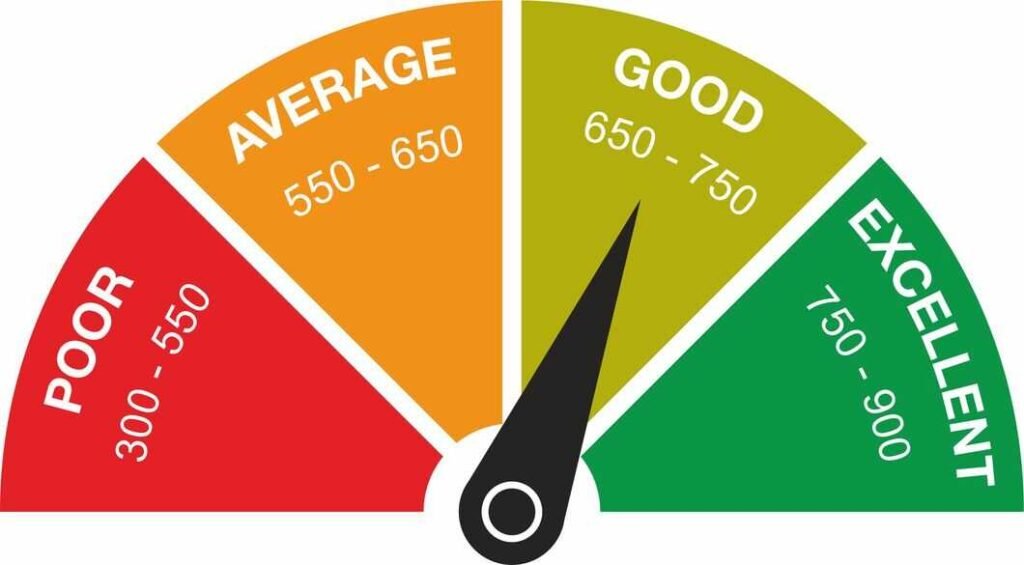
A credit score is a three-digit number that represents your creditworthiness. In India, the most widely used score is the one provided by TransUnion CIBIL.
Credit Score Range (India – CIBIL)
- 300 – 549: Poor
- 550 – 649: Fair
- 650 – 749: Good
- 750 – 900: Excellent
Most banks prefer a 750+ credit score for the best interest rates and faster approvals.
Globally, credit scores are also issued by agencies like Experian and Equifax.
Why Improving Your Credit Score Matters
A higher credit score helps you:
- Get lower interest rates
- Receive pre-approved loan offers
- Increase credit card limits
- Improve loan negotiation power
- Build long-term financial credibility
Even a 50–100 point increase can save you lakhs in interest over time.
Now let’s dive into the 10 most effective strategies to improve your credit score fast.
1. Pay All Your Bills on Time — Every Time
Impact Level: Extremely High
Payment history makes up the largest portion of your credit score.
If you:
- Miss EMIs
- Delay credit card payments
- Default on loans
Your credit score can drop significantly.
What You Should Do
*Set up auto-debit for EMIs
*Pay at least the minimum due before the due date
*Clear overdue accounts immediately
*Avoid even 1-day delays
Pro Tip
Even a single missed payment can stay on your credit report for years. If you’ve missed a payment recently, pay it immediately and maintain perfect behavior going forward.
2. Reduce Your Credit Utilization Ratio
Impact Level: Very High
Credit utilization is the percentage of your credit limit that you’re using.
Example:
- Credit card limit: ₹1,00,000
- Outstanding balance: ₹60,000
- Utilization: 60%
Experts recommend keeping utilization below 30%.
How to Fix It Fast
- Pay down outstanding balances
- Increase your credit limit (without increasing spending)
- Spread expenses across multiple cards
- Make mid-cycle payments
Reducing utilization can boost your score within 30–60 days.
3. Check Your Credit Report for Errors

Impact Level: High
Errors in credit reports are more common than people think.
Common mistakes include:
- Closed accounts marked as open
- Wrong late payments
- Duplicate loans
- Fraudulent accounts
You can check your credit report through TransUnion CIBIL and dispute inaccuracies online.
Steps to Dispute Errors
- Download your credit report
- Identify inaccuracies
- Raise a dispute with the bureau
- Submit supporting documents
Correcting errors can increase your credit score significantly — sometimes within weeks.
4. Clear Outstanding Dues and Settled Accounts
Impact Level: Very High
If you have accounts marked as:
- Settled
- Written off
- Default
It severely damages your credit score.
What To Do
- Contact the lender
- Pay the remaining dues
- Request account status update to “Closed” instead of “Settled”
- Obtain a No Dues Certificate
Settled accounts are a red flag for lenders. Converting them to “Closed” can boost your profile.
5. Avoid Applying for Too Many Loans or Credit Cards
Impact Level: Moderate to High
Every time you apply for credit, a hard inquiry is recorded.
Too many hard inquiries:
- Signal credit hunger
- Reduce your score
- Make lenders cautious
Smart Strategy
✔ Apply only when necessary
✔ Space out applications (3–6 months gap)
✔ Check eligibility before applying
Instead of applying randomly, improve your profile first.
6. Keep Old Credit Accounts Open
Impact Level: High
Length of credit history matters.
If you close your oldest credit card:
- Your average account age drops
- Your score may fall
What You Should Do
- Keep your oldest card active
- Make small purchases occasionally
- Pay in full every month
Older accounts build trust with lenders.
7. Maintain a Healthy Credit Mix
Impact Level: Moderate
Credit mix refers to having both:
- Secured loans (Home loan, car loan)
- Unsecured loans (Personal loan, credit card)
Lenders prefer borrowers who can manage different types of credit responsibly.
If you only have credit cards, adding a small secured loan (like a consumer durable EMI) may help diversify your profile.
8. Increase Your Credit Limit (Without Increasing Spending)
Impact Level: High
Increasing your credit limit lowers your credit utilization ratio instantly.
Example:
- Old limit: ₹1,00,000
- Balance: ₹40,000
- Utilization: 40%
After limit increase:
- New limit: ₹2,00,000
- Utilization: 20%
Your score may improve quickly.
Contact your bank and request a credit limit enhancement if:
- You have good repayment history
- Your income has increased
9. Become an Authorized User
Impact Level: Moderate
If a family member has:
- Long credit history
- Excellent repayment record
- Low utilization
You can become an authorized user on their card.
Their positive history may reflect on your report and improve your score.
Ensure the primary user maintains good credit behavior.
10. Use a Secured Credit Card to Rebuild Credit
Impact Level: High (For Low or No Score)
If you have:
- Very low credit score
- No credit history
- Past defaults
A secured credit card can help.
You deposit a fixed amount (e.g., ₹20,000), and the bank issues a card against it.
Use it responsibly and pay on time. Within 6–9 months, your score can improve significantly.
How Long Does It Take to Improve a Credit Score?
It depends on your situation:
| Situation | Expected Time |
|---|---|
| High utilization | 1–2 months |
| Minor late payment | 3–6 months |
| Settled account | 6–12 months |
| Default history | 12–24 months |
Consistency is key.
30-Day Action Plan to Boost Your Credit Score Fast
Week 1
- Download credit report
- Identify errors
- List outstanding dues
Week 2
- Pay down credit card balances
- Clear overdue amounts
- Raise disputes
Week 3
- Request credit limit increase
- Set up auto-pay
Week 4
- Stop unnecessary applications
- Maintain low utilization
Follow this consistently and monitor progress.
Common Myths About Credit Score Improvement
Myth 1: Checking your credit score lowers it
✔ Truth: Soft inquiries do not impact your score.
Myth 2: Closing credit cards improves score
✔ Truth: It may reduce your credit age.
Myth 3: Settling loans is good
✔ Truth: Settled accounts hurt your profile.
Mistakes That Can Destroy Your Credit Score
Avoid:
- Missing EMI payments
- Maxing out credit cards
- Taking multiple personal loans
- Ignoring collection notices
- Acting as guarantor for risky borrowers
Advanced Tips for Faster Improvement
If you want even faster improvement:
- Pay credit card bills twice a month
- Negotiate “pay for delete” in rare cases
- Avoid cash withdrawals from credit cards
- Maintain emergency savings
Final Thoughts: Build Credit the Smart Way
Improving your credit score fast is possible — but it requires discipline and strategy.
Focus on:
- Timely payments
- Low credit utilization
- Fewer loan applications
- Long credit history
- Clean credit report
Even small consistent improvements can lead to major financial benefits.
Remember:
Your credit score is not just a number — it’s your financial reputation.
Start today. Stay consistent. And watch your credit score rise.
Discover more from GrowWealth365
Subscribe to get the latest posts sent to your email.