

Your 20s are not just about career exploration, travel, friendships, and discovering yourself — they are also the most powerful decade for building wealth.
The financial habits you build now can determine whether you struggle with money in your 30s and 40s — or enjoy freedom, flexibility, and early retirement.
In this comprehensive financial planning guide, you’ll learn:
- Why your 20s are the best decade to start investing
- How to create a simple but powerful money system
- The exact steps to build wealth early
- Investment strategies for beginners
- Mistakes to avoid
- Real examples and actionable plans
Let’s begin.

Why Financial Planning in Your 20s Is So Important
Most people think:
“I’ll start saving seriously in my 30s.”
That decision alone can cost you lakhs or even crores over time.
The reason? Compound growth.
The Magic of Compounding
Compounding means your money earns returns — and those returns earn returns.
For example:
- Invest ₹5,000 per month at age 22
- Earn an average 12% annual return
- Continue till age 60
You could end up with over ₹5–6 crore.
Start the same investment at age 32?
You might end up with barely half that amount.
Time is more powerful than the amount invested.
Step 1: Build a Strong Financial Foundation
Before investing, you must fix your financial basics.
1. Track Your Income and Expenses
Start with:
- Salary
- Freelance income
- Side hustle income
- Family support (if any)
Then track expenses:
- Rent
- Food
- Transport
- EMIs
- Subscriptions
- Lifestyle spending
Use apps like:
- Google Sheets
- Notion
- Money Manager apps
The goal: Know where every rupee goes.
2. Follow the 50-30-20 Rule (Beginner Version)
A simple budgeting framework:
- 50% Needs – Rent, food, bills
- 30% Wants – Eating out, shopping, travel
- 20% Investments & Savings
If possible, modify it to:
- 40% Needs
- 20% Wants
- 40% Investments
Your future self will thank you.
Step 2: Build an Emergency Fund First
Before investing aggressively, create an emergency fund.
Why It’s Critical
Life happens:
- Job loss
- Medical emergency
- Family crisis
- Car repair
Without an emergency fund, you’ll use credit cards or loans — damaging your wealth journey.
How Much to Save?
- Minimum: 3 months of expenses
- Ideal: 6 months
- Best: 9–12 months (if job is unstable)
Keep this money in:
- High-yield savings account
- Liquid mutual fund
- Short-term FD
Do NOT invest it in stocks.
Step 3: Eliminate Bad Debt Early
Debt in your 20s can destroy long-term wealth.
Avoid:
- Credit card revolving debt
- Personal loans for lifestyle
- Buy-now-pay-later traps
If you have credit card debt:
- Pay highest interest first (Debt Avalanche method)
- Or pay smallest balance first (Debt Snowball method)
Good debt (education loan, business loan) can be acceptable — but manage carefully.
Step 4: Get Insurance — Protect Before You Grow
Many young people ignore insurance.
Big mistake.
Health Insurance
Even if your company provides it, buy personal coverage.
Medical inflation in India is 10–15% yearly.
Term Insurance
If you have financial dependents:
- Buy pure term insurance
- Avoid ULIPs and expensive plans
Protection comes first. Investment comes next.
Step 5: Start Investing Early (Even With Small Amounts)
You don’t need ₹50,000 per month to start.
Start with ₹1,000–₹5,000.
Consistency matters more than size.
Best Investment Options in Your 20s
1. Equity Mutual Funds (SIP)


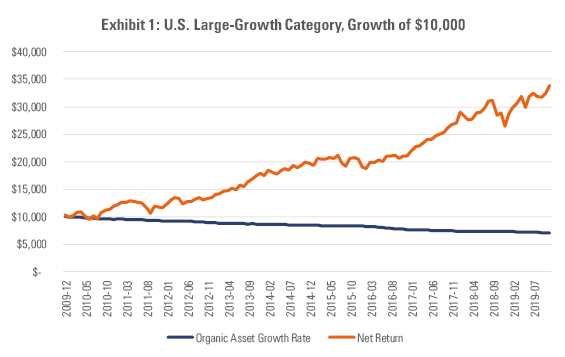
Systematic Investment Plans (SIPs) are beginner-friendly.
Why good for 20s?
- Long investment horizon
- Can handle volatility
- High growth potential
Types to consider:
- Nifty 50 Index Fund
- Large-cap funds
- Flexi-cap funds
Invest monthly. Stay invested long term.
2. Direct Stock Investing

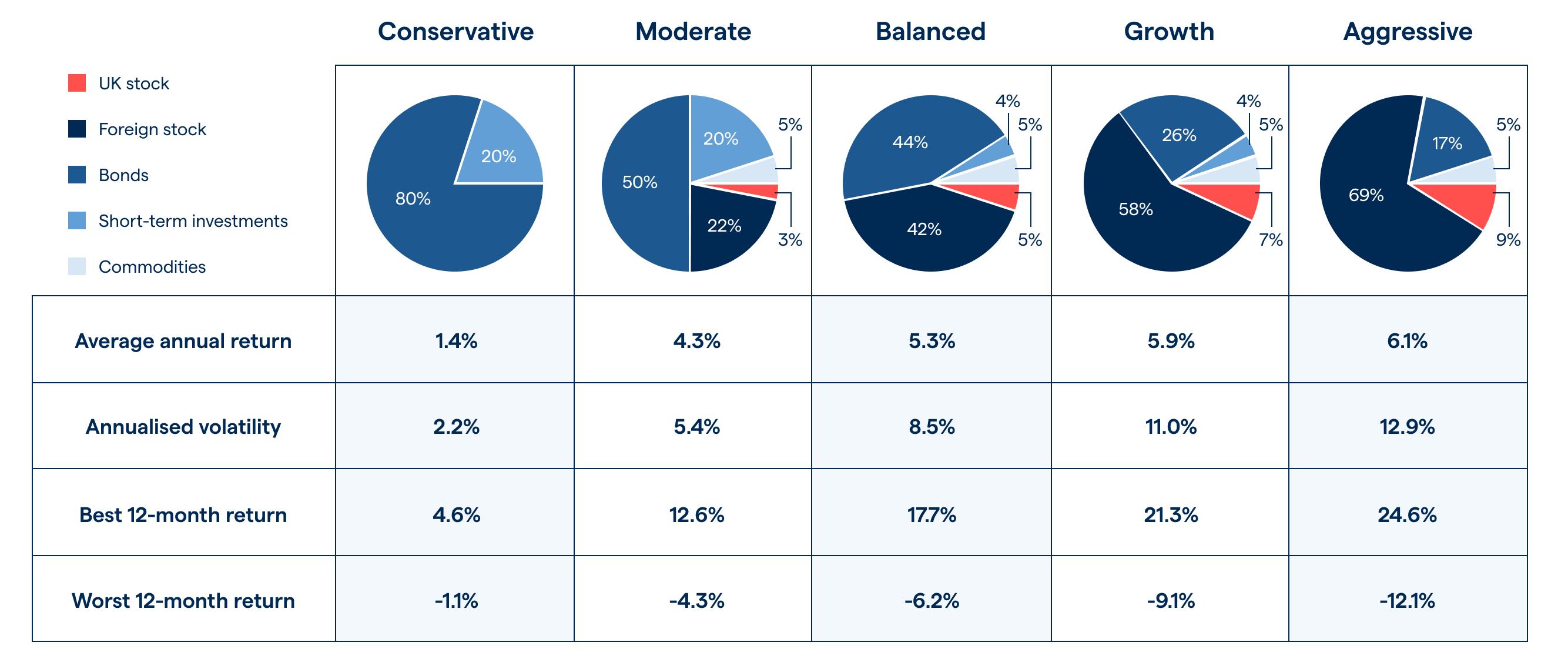

If you’re willing to learn:
- Study company fundamentals
- Avoid short-term trading
- Focus on long-term growth companies
Diversify across sectors.
Remember:
Investing ≠ gambling.
3. EPF & PPF
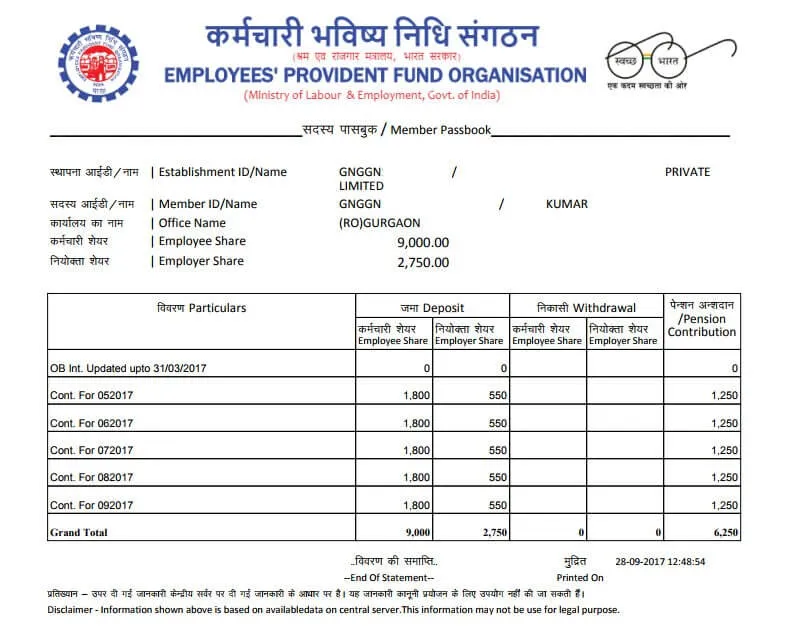



If you’re salaried:
EPF (Employee Provident Fund)
- Automatic deduction
- Tax benefits
- Safe and stable returns
PPF (Public Provident Fund)
- 15-year lock-in
- Tax-free interest
- Good for conservative allocation
Balance equity + safe instruments.
4. National Pension System (NPS)
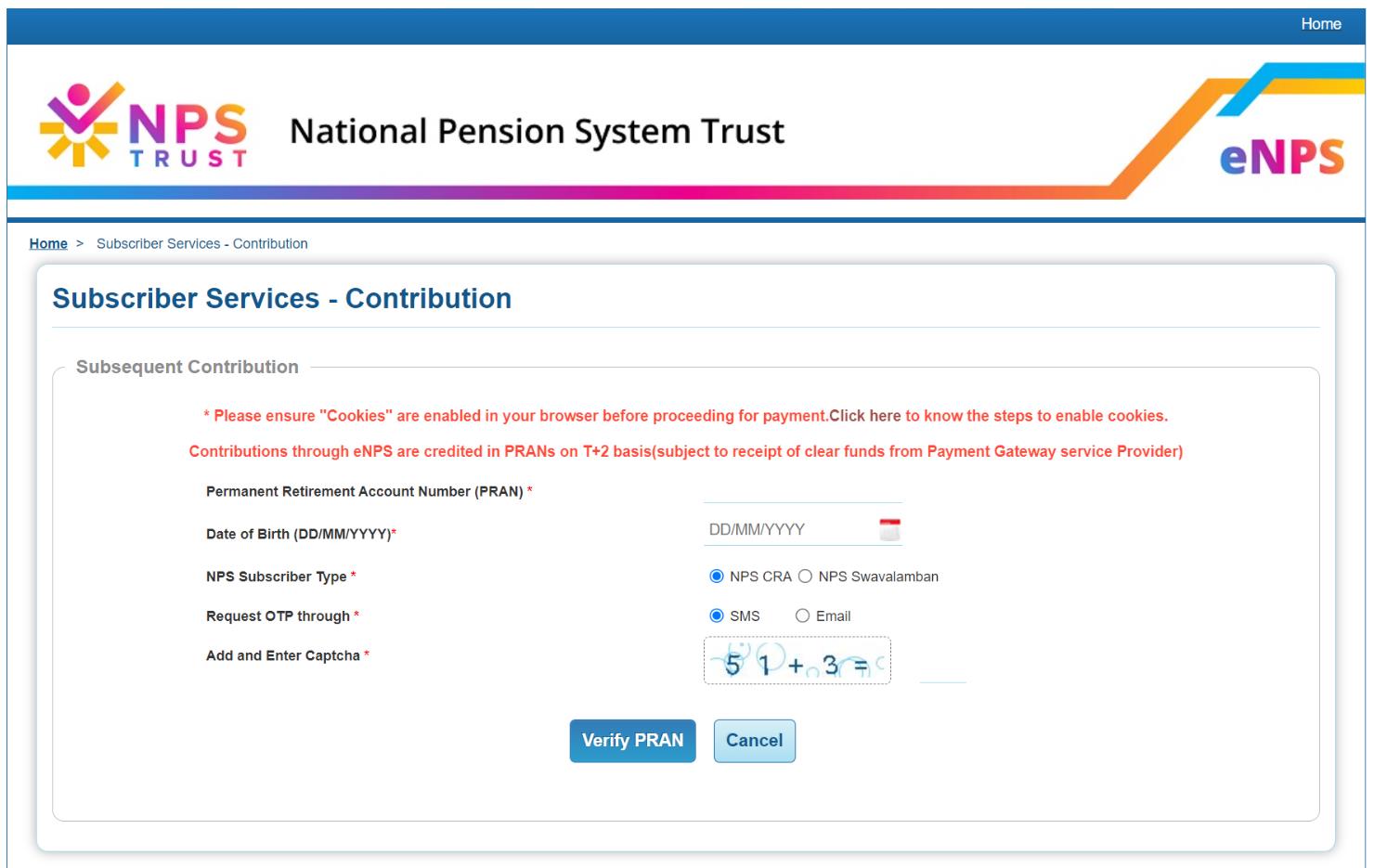

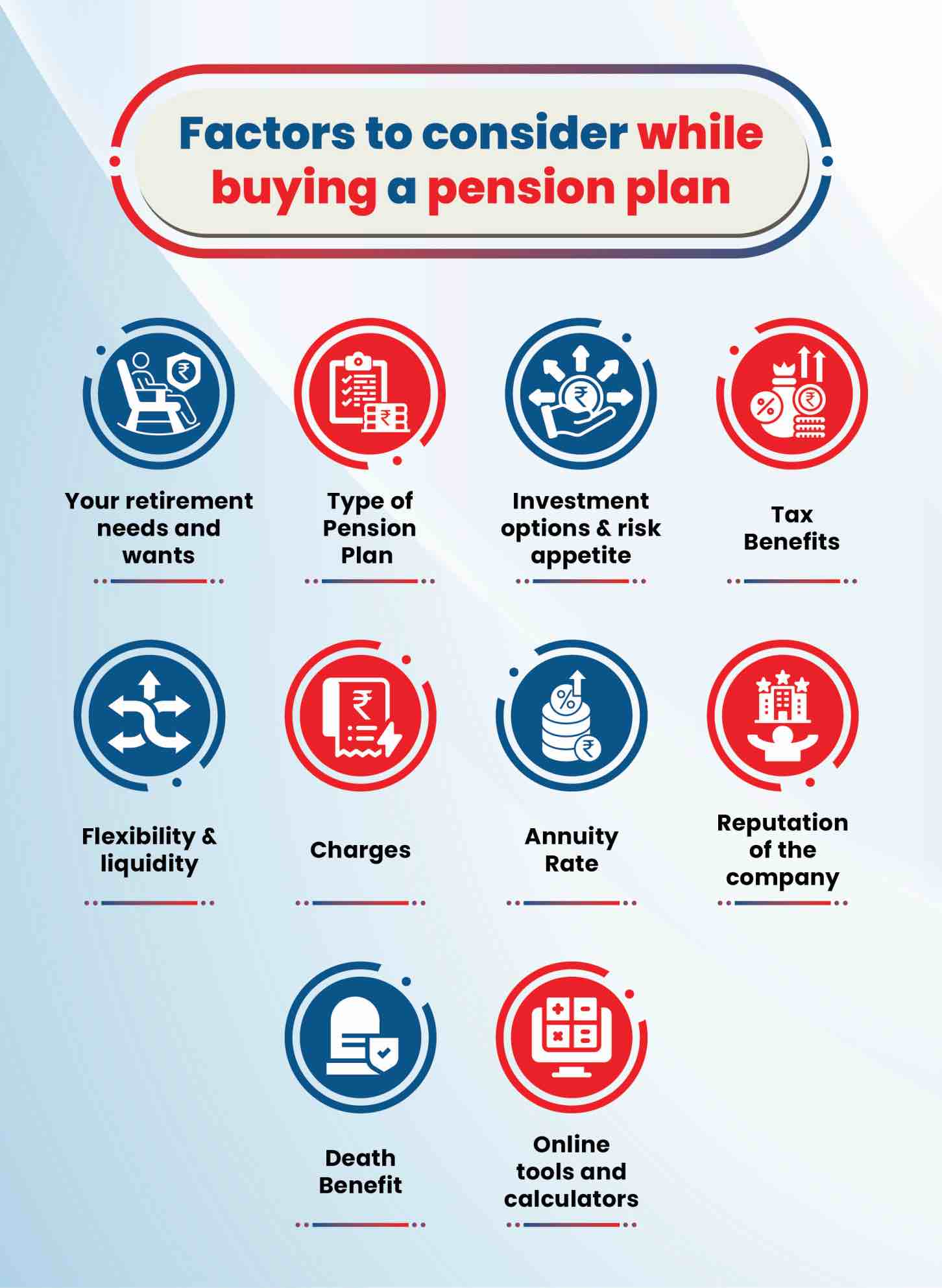

Long-term retirement-focused product.
Benefits:
- Tax benefits under 80C & 80CCD(1B)
- Mix of equity + debt
- Low cost
Ideal for disciplined retirement investing.
Step 6: Improve Your Income in Your 20s
Wealth building is not only about saving.
It’s also about earning more.
Focus on:
- Skill development
- Certifications
- Networking
- Side hustles
- Freelancing
If you increase income from ₹25,000 to ₹50,000:
Saving 30% becomes much easier.
Invest in yourself aggressively.
Step 7: Avoid Lifestyle Inflation
As income grows, expenses grow too.
Example:
- First job: ₹25,000 → Simple living
- Salary becomes ₹60,000 → Bigger phone, bike EMI, frequent dining out
Instead:
Increase investments before increasing lifestyle.
Step 8: Set Clear Financial Goals
Your goals may include:
- Buying a house
- Starting a business
- Early retirement
- Traveling the world
- Supporting parents
Divide goals into:
- Short-term (1–3 years)
- Medium-term (3–7 years)
- Long-term (10+ years)
Align investments accordingly.
Sample Financial Plan for a 23-Year-Old
Salary: ₹35,000 per month
Allocation:
- ₹12,000 – Rent & utilities
- ₹6,000 – Food
- ₹4,000 – Transport
- ₹3,000 – Lifestyle
- ₹10,000 – Investments
Investment Split:
- ₹6,000 – Equity Mutual Fund SIP
- ₹2,000 – PPF
- ₹2,000 – Emergency Fund
Over 10 years?
This discipline can create massive financial stability.
Biggest Money Mistakes in Your 20s
- Delaying investing
- Buying expensive gadgets on EMI
- Not tracking expenses
- No emergency fund
- Following social media “trading gurus”
- Ignoring health insurance
- Lifestyle inflation
Avoid these, and you’re ahead of 80% of people.
The Power of Starting at 22 vs 32
Let’s compare:
Person A starts at 22
Person B starts at 32
Both invest ₹10,000 per month at 12%.
By age 60:
- Person A may accumulate ₹8–9 crore
- Person B may accumulate ₹3–4 crore
10 years of delay can cost crores.
Time > Money.
How to Build a Wealth Mindset
Financial success is psychological.
Develop:
- Long-term thinking
- Delayed gratification
- Patience
- Discipline
Read books like:
- “The Psychology of Money”
- “Rich Dad Poor Dad”
- “The Richest Man in Babylon”
Should You Enjoy Life in Your 20s?
Absolutely.
Financial planning does NOT mean:
- No travel
- No fun
- No experiences
It means:
- Conscious spending
- Smart investing
- Balanced lifestyle
Save aggressively — but live intentionally.
Advanced Strategies (Optional)
If your income increases:
- Increase SIP annually (step-up SIP)
- Asset allocation strategy (70% equity, 30% debt)
- Rebalance yearly
- Invest in international funds
- Explore REITs
Wealth Formula for Your 20s
Income – Expenses = Savings
Savings + Investing + Time = Wealth
Keep it simple.
Consistency wins.
Final Action Plan (Start This Week)
- Track expenses
- Build ₹50,000 emergency fund
- Start SIP (even ₹2,000)
- Buy health insurance
- Increase income skills
- Avoid unnecessary EMI
- Automate investments
Start small. Stay consistent. Be patient.
Final Thoughts
Your 20s are the most financially powerful decade of your life.
You have:
- Time
- Energy
- Risk-taking ability
- Growth potential
If you start today, your 30s will feel stable.
Your 40s will feel secure.
Your 50s may feel financially free.
Don’t wait for “more money.”
Start with what you have.
Because in wealth creation, the biggest risk is doing nothing.
Discover more from GrowWealth365
Subscribe to get the latest posts sent to your email.